"Anything that allows patients to seek medical advice while decreasing volume at hospitals and lessening unnecessary exposure and spread will add to 'flattening the curve.'" With their strong value proposal, retail clinics rapidly filled a need in our health care system for a narrow set of services. a nurse in a mental health clinic is caring for a client who has bipolar disorder and states. Existing events show that they are now an important gamer in dealing with a pandemic that threatens neighborhood health and there is evidence that retail companies are interested in expanding their healthcare offerings (e.g., Walmart Health Center, CVS Health).
This short article was established with the assistance of Darden's, at which Andrew Sell is associate director of research initiatives.
One of the important things I have not gotten around to talking about much here at The Self-Pay Patient blog site is making use of retail health centers, and how they can be a great alternative for the uninsured or any person else for that matter who is trying to find practical and economical care. Most likely the best understood of these kinds of centers is Minute Clinic, founded more than a decade earlier in the Minneapolis area.
Their web site boasts of more than 650 locations in 27 states across the country. Retail health centers are usually staffed by Nurse Practitioners, who normally have both a four-year nursing degree and a three-year Master's level degree. They are able to identify, treat, and recommend medications for numerous relatively simple conditions such as strep throat, pink-eye, and ear infections, and can likewise help in tracking and managing persistent conditions like diabetes and asthma.
There are two essential functions that make retail centers a terrific choice for self-pay patients, or any person else for that matter. The first is the benefit these are 'walk-in' centers that indicate you do not require a consultation, and clients are generally seen right away or after only a quick delay.
The smart Trick of Where Is The Nearest Health Clinic That Nobody is Talking About
One other convenient aspect is that since a lot of of them are situated in pharmacies, it makes it hassle-free to get a prescription filled right there. At the same time this can be a drawback if it indicates patients do not look for the very best rates on prescription drugs. The 2nd key function is that they use clear, up-front pricing for all of their services.
The rates charged normally appear sensible, although cash-only medical professionals can often beat their prices (as this doctor in Texas that I discussed a while back does, with a $30 charge for a check out). All told there are almost 1,300 retail centers around the country, according to a recent study by the Robert Wood Johnson Foundation.
Retail centers generally use prolonged hours on nights and weekends, use non-physician clinicians, charge reasonably low, set rates for services, and display screen prices plainly so consumers know the expenses prior to receiving care. When retail centers initially started running in the early 2000s, few accepted medical insurance, and the majority of needed cash payment upfront from patients.
As the number of retail clinics has grown over the previous years, American households' use of these clinics has increased. In 2010, 5 percent of U.S. familiesor nearly 7 million familiesreported ever utilizing a retail clinic, and 3 percentabout 4.1 million familiesreported doing so in the previous year Although the variety of families using retail clinics remains modest, estimated usage in 2010 nearly tripled from 2007, when just 2 percent of families reported ever utilizing a retail clinic and just 1 percent used a center in the previous year.
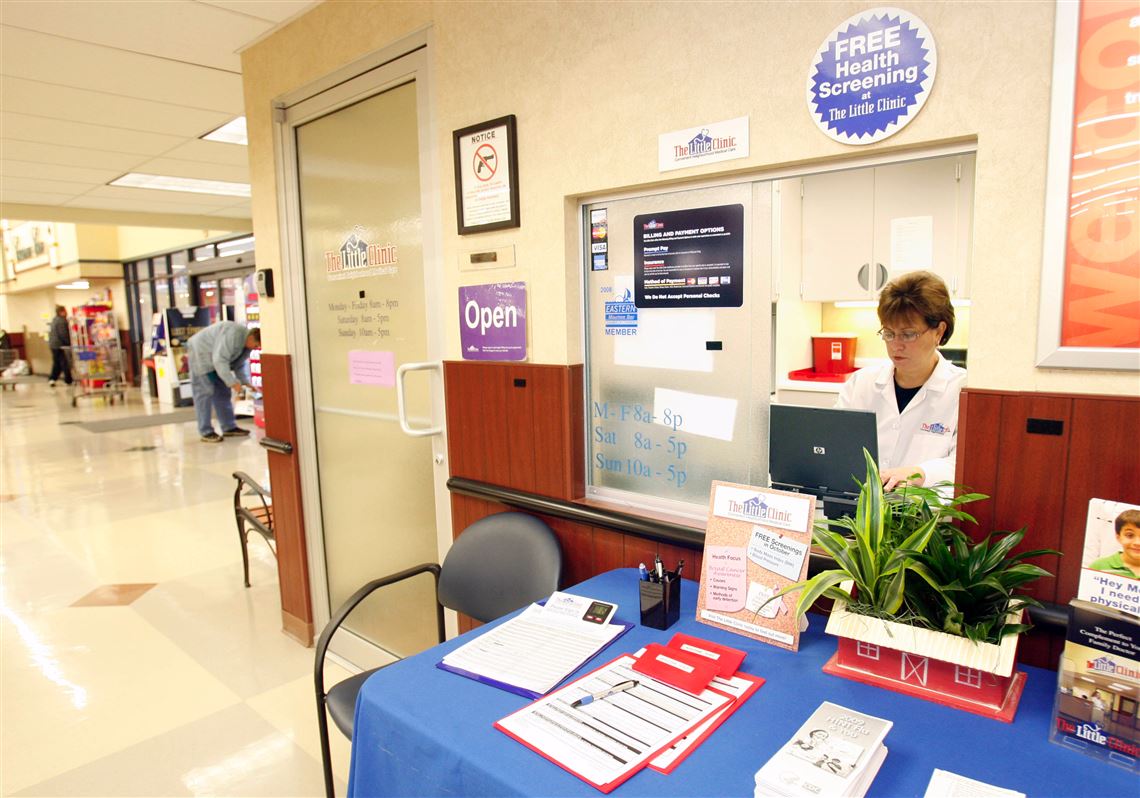
In turn, the growing number of centers reflects operators' evaluations of increasing demand for retail center services While Minute Clinic is by far the largest retail health center operator, there are a number of smaller sized regional and local networks, such as CareWorks Health (Pennsylvania), RediClinic (Texas), and Aurora QuickCare Clinics (Wisconsin). Target also has clinics in Florida, Illinois, Maryland, Minnesota, North Carolina, and Virginia, and The Little Clinic has areas in Arizona, Colorado, Georgia, Kentucky, Ohio, and Tennessee.
Facts About How To Accept Health Insurance As A Clinic Nys Uncovered
While the nurse specialists who usually staff retail health clinics do not have the training and experience of medical professionals, they are generally extremely efficient in dealing with patients who have reasonably minor medical issues, and they understand to refer clients to physicians if they aren't efficient in treating a patient. The combination of convenience and genuine prices make retail health clinics an exceptional alternative for self-pay patients or anyone else wanting to get quick access to relatively simple primary care at an economical cost.
When I describe it, a number of you will immediately remember the Norman Rockwell painting of a medical professional holding a stethoscope to the chest of a little woman's doll. Historian Neil Harris explained that renowned image, published in a 1929 edition of the Saturday Evening Post, wonderfully: "Such a determination to place professional expertise at the feet of childhood magic serves to remind us, again, of things we have forgotten: secret kingdoms occupied by fictional beings whose needs seemed as genuine as those of the people around us.
Rockwell knew the importance of connection between medical professionals and patients. Just recently, Walgreens revealed they will shutter 160 of their "in-store" health clinics to concentrate on other methods to bring customers through their door, like partnering with Jenny Craig weight loss centers. Retail clinics like those targeted by Walgreens are primarily situated in drugstores, supermarkets, "huge box" retail settings.
The research study, published in Health Affairs, revealed the increased use of medical services wipes out any expense savings of making use of retail clinics. Retail centers are accessible and practical. They are open from 7 a.m. to 7 p.m., 7 days a week, and staffed by a nurse professional or physician assistant. They deal with a variety of minor diseases such as colds, pinkeye, and urinary tract infections, and provide an array of preventive services, like vaccinations.
However, is the practice of medication a profit-generating device or an art and science? It depends on who you ask. In among the last discussions with my grandfathera solo doctor in Tacoma for four decadeshe shared his discouragement that house sees were no longer a routine part of medical care.
The Of How To For Rural Health Clinic
On the other hand, if you ask Walgreens, earnings margins are focused on over the art and science of healthcare. And they are going all-in on extensive look after elderly people - what is a retail health clinic. Jim O'Conor, senior vice president of Walgreens Community Health Destinations, stated, "We are discovering that senior citizens value not just the high quality of medical care, but also the social interactions, the individual attention, the benefit and the enhanced coordination between their pharmacist, physician and the health guides we have on-site." Walgreens and Microsoft are developing a "seamless community" to link customers to companies, payers, and others.
Such grand plans neglect the physician-patient relationship, which is a huge mistake. Rockwell's painting still has significance as today's health care market is redefined. Walgreens "smooth community" offers full-service medical care, drug store, nutrition, and wellness support. Clinics will be staffed by physician-led groups, signed up nurse 'care coaches,' behavioral health experts, and social workers. how does health insurance work at http://ricardokqnc927.image-perth.org/h1-style-clear-both-id-content-section-0-how-to-save-money-in-mental-health-clinic-truths-h1 a clinic.